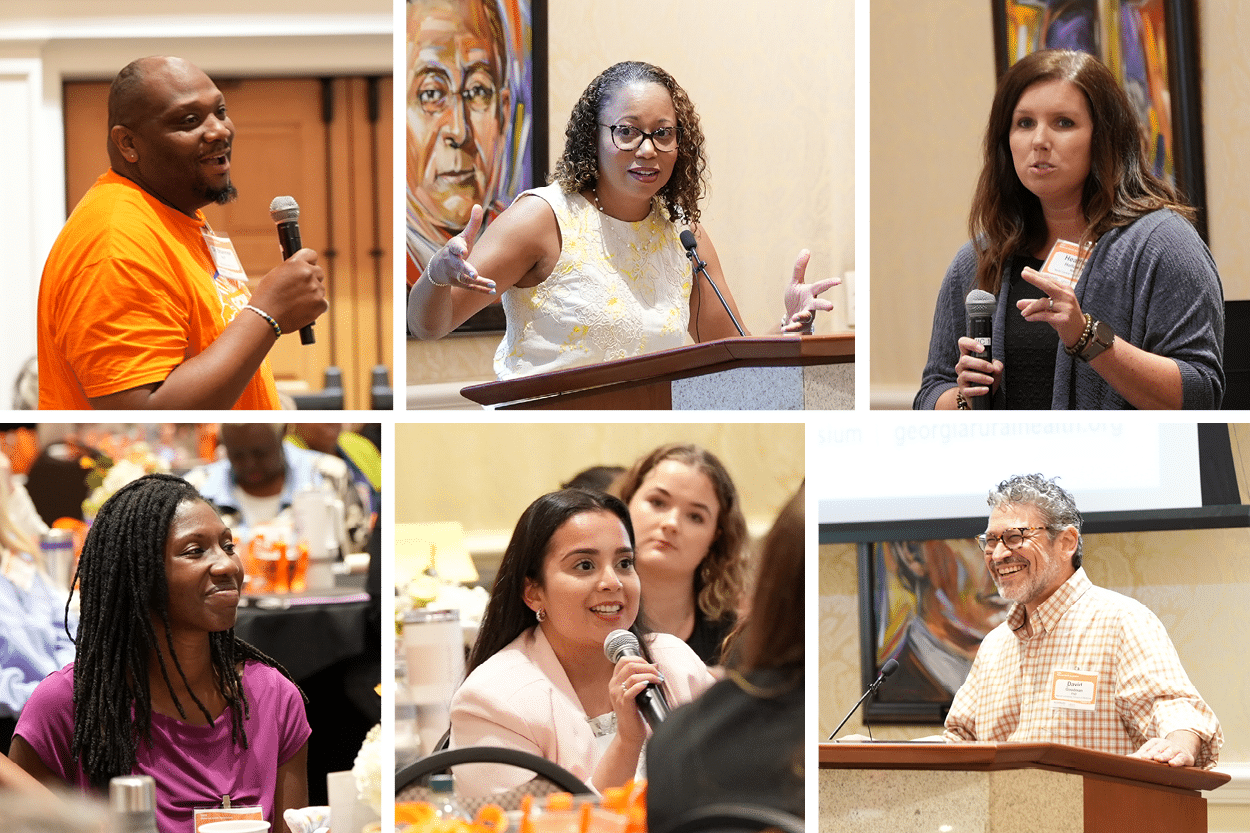
Mercer University School of Medicine’s Georgia Rural Health Innovation Center hosted the 2026 Maternal Health Symposium on June 25. The annual event focused on disaster preparedness and the unique challenges emergencies pose for pregnant and postpartum women and their babies.
Topics included perinatal safety planning, disaster preparedness, maternal healthcare referral networks, safe infant feeding, maternal mortality trends and prevention opportunities, and infant safe sleep and CPR.
The annual symposium is rooted in improving maternal health outcomes in rural and underserved areas, which make up approximately 75% of Georgia’s counties, according to Keisha Callins, MD, a rural OB-GYN and professor at Mercer University School of Medicine.
The event is designed to bring together professionals from a wide range of disciplines — not just OB-GYNs, but anyone connected to the care of mothers and infants.
“Each one of us can make a difference; together we can make change,” Dr. Callins said. “There is collective power in the village of the perinatal care team that can change the healthcare ecosystem for moms, babies, families and communities when we hear together and learn together.”
Devastating emergencies and natural disasters present healthcare providers with challenges in preparing patients and communities.
The symposium aimed to address gaps in preparedness by encouraging practitioners, healthcare professionals and maternal health advocates to think proactively about how emergencies affect maternal and infant health. Pregnant women, postpartum mothers and infants are especially vulnerable during disasters.
“Disaster preparedness and responsiveness should incorporate accommodation and protection for these special populations to maintain their safety and minimize disruption in critical maternal and neonatal care,” Dr. Callins said.
A recurring theme throughout the symposium was the importance of collaboration across healthcare and community sectors.
During emergencies, access to food, water, basic supplies, shelter and transportation can become disrupted. Coordinated efforts among healthcare organizations, public health agencies, emergency management teams and community partners are essential to protecting families.
Dr. Callins said that successful response and recovery efforts depend on maintaining access not only to medical care but also to mental health services and other support systems.
Maternal health inequities, including maternity care deserts and limited access to practitioners, often become even more pronounced during disasters.
“The disparities become deeper and wider in their impact on moms, babies, families and the community,” she said.
The symposium sought to address those challenges by encouraging partnerships that can help overcome barriers and strengthen referral networks before emergencies occur.
Dr. Callins said providers should be intentional about identifying potential “blind spots” in plans, protocols and policies. “Our goal is to motivate everyone on the maternal healthcare team to be unified in helping our patients with anticipatory guidance that includes advanced preparedness for disasters,” she said.
Dr. Callins compared disaster preparedness to wearing a seat belt — a simple but effective measure that reduces risk when the unexpected happens. While weather events cannot be controlled, she said communities can control how they plan, prepare and respond. “When it comes to moms and babies, any life lost is one too many,” she said.
For Dr. Callins, the annual symposium is both professionally rewarding and personally meaningful. “It is always a privilege to explore existing and emerging challenges alongside a professional community dedicated to making a difference,” she said. “When moms dazzle, everybody shines.”
The symposium continues to serve as a forum for maternal health champions across Georgia to share knowledge, build partnerships and strengthen efforts to improve outcomes for mothers and infants, particularly in rural communities.