By Joye Simmons, Clinical Behavioral Mental Health Specialist
For most schools in Georgia, the 2025-26 school year is coming to an end, but the important work continues year-round. Academic priorities, staffing challenges, increasing mental health needs and student behavioral concerns are issues faced by educational systems across the state. However, rural school systems face additional, location-specific challenges that even urban schools within Georgia may struggle to understand. Challenges such as provider shortages, transportation barriers, flexibility and access gaps are just a few that are specific to rural communities.
Mercer University School of Medicine’s Georgia Rural Health Innovation Center (GRHIC) offers free services designed to meet the unique needs of schools and children in rural communities. Bridging the gap between needs, resources and awareness, GRHIC supports the whole person, identifies potential unmet needs and recognizes students who may benefit from additional support but are “slipping under the radar,” and offers services as a resource alongside each individual community.
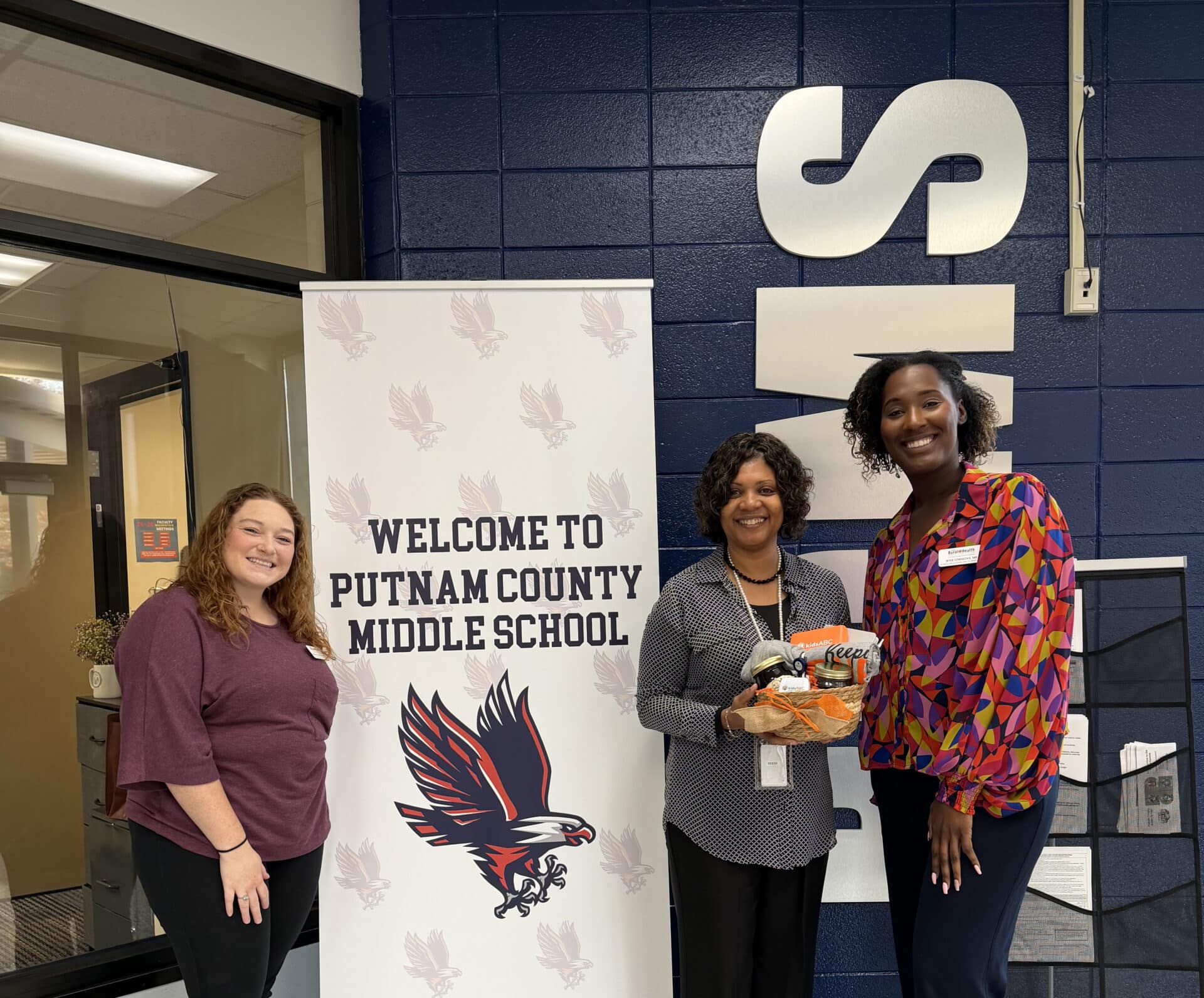
This summer, the GRHIC Mental Health and Wellness Team, which includes behavioral mental health professionals, is hitting the road to connect directly with rural school districts across the state, learning more about their needs, celebrating what is already working, and exploring how GRHIC can best support student wellness efforts. Through the Pediatric Mental Health Initiative and the Kids Alliance for Better Care (KidsABC) program, in collaboration with Mercer University School of Medicine and Children’s Healthcare of Atlanta, all services are free of charge, which reinforces the KidsABC belief that healthy hometowns start with healthy kids.
By removing cost barriers and supporting already stretched school faculty and staff, GRHIC helps expand mental health support without adding strain to the existing school team. Services offered include:
- Universal wellness screening
- Care navigation
- Community Resilience Model (CRM) training
- Question, Persuade, Refer (QPR) suicide prevention training
- Social media awareness education
- Compassion fatigue support
- Staff wellness programming
- Parent and community education
Universal wellness screenings are designed to highlight opportunities to strengthen resilience, emotional well-being, and connection to appropriate community supports for each student. The universal wellness screening is not a diagnostic test but rather a tool to reduce barriers. When additional support may be helpful, GRHIC’s optional care navigation model helps connect families with support while respecting and working alongside the school’s existing systems and strengths.
Tailored to each rural school community, care navigation may include connection to community-based pathways, local resources, and telehealth support when appropriate for the student and family.
Student wellness is often influenced by the wellness of adults in their lives. To support students, families, and school staff alike, GRHIC offers Community Resilience Model (CRM) training that provides practical, in-the-moment skills that work for all ages.
The GRHIC Mental Health and Wellness Team continues to thoughtfully evolve its offerings to ensure each rural community feels seen, respected and supported. Recent partnerships have included universal wellness screening implementation, which has helped identify grade levels where additional resilience-building support may be beneficial, while also introducing wellness skills and building self-awareness. In addition, GRHIC has worked with rural school districts to provide teacher, faculty and staff resilience training, while also offering coordinated support connections for families.
In rural communities, accessibility looks different. Care looks different. Trust looks different. That reality informs every school district partnership GRHIC cultivates. GRHIC has a central mission to meet students and families where they are, in their communities, and improve access to care.
As schools prepare for a new academic year, student mental health and wellness remain an important part of creating thriving learning environments.
Request for Services
If your local rural school district could benefit from collaborative, community-centered and sustainable support, please contact Mercedes Madrid-Lowery, LCSW, at madrid-lowery_m@mercer.edu or click here to express interest in services and training opportunities.